Why a Vacant D.C. Apartment Building May Be Worth More Than You Think
Vacancies, unpaid rent, deferred maintenance, and financial pressure can make owning an apartment building increasingly difficult. But they don't necessarily make a building impossible to sell.
For many owners of smaller D.C. apartment buildings, rising expenses, falling collections, and costly repairs have forced a hard question: invest more money to stabilize the property, or sell it as it stands?
A Completely Vacant Building Can Still Attract Buyers
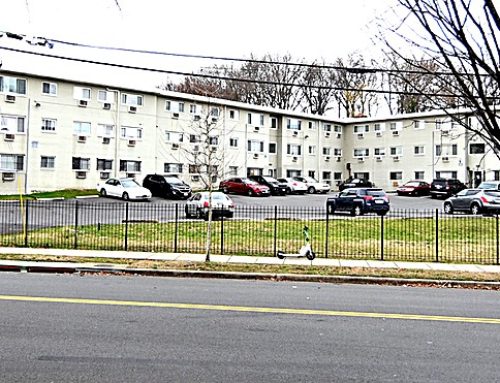
We're currently working on the short sale of a 10-unit apartment building in Southeast Washington. The property is completely vacant and needs substantial rehabilitation. Even so, it has reached a lender-approved price above $100,000 per unit, subject to final documentation and closing.
The building generates no rental income. Buyers are interested because of what it can become. For the seller, a lender-approved short sale can provide an alternative to foreclosure, potentially allowing a financially distressed owner to resolve an otherwise difficult debt situation through a negotiated transaction.
Why Vacancy Can Be an Advantage
Many of Washington's smaller apartment buildings are decades old. Their plumbing, electrical systems, heating, kitchens, and bathrooms often need major modernization to compete in today's rental market.
Renovating an occupied building is difficult. Existing leases, tenant protections, limited access, and the cost of lawful relocation agreements can make a full rehabilitation slow, expensive, and uncertain. Owners sometimes offer tenants thousands of dollars to relocate voluntarily, and tenants are within their rights to decline.
A largely vacant building gives an investor immediate access to most of the property. Units can be renovated at the same time, building systems replaced, and the property re-leased as a whole, instead of being renovated one unit at a time over several years.
Two Buildings: 80% Occupied vs. 80% Vacant
Consider two hypothetical 20-unit buildings in Northeast Washington. Both are older and both need substantial rehabilitation.
Building A: 80% occupied. Sixteen units are leased and four are vacant. It produces more income today, but the vacant units are outdated and hard to lease. Bringing the whole building up to market standard could take years of phased construction, tenant cooperation, and lawful relocation arrangements.
Building B: 80% vacant. Only four units are occupied. Income is much lower, but the investor can access most of the building at once. That creates a potentially clearer, faster path to a modern, competitive property.
An investor planning a full rehabilitation may prefer Building B. The final answer depends on price, renovation costs, financing, and projected stabilized income. But the building with the most income today isn't necessarily the one with the most potential.
|



Leave A Comment